
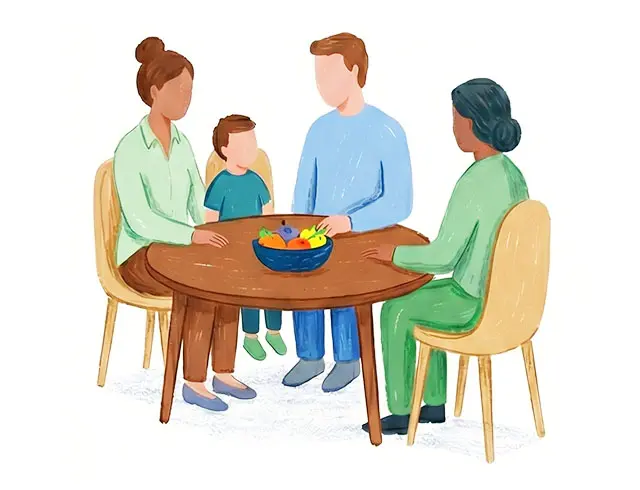
What types of family therapy are available?
Family therapy can involve a variety of approaches depending on your family’s structure, challenges, and goals. Therapists often combine multiple methods to help improve communication, understanding, and emotional connection within the family unit.
Some common approaches in family therapy include:
- Structural Family Therapy
- Systemic Family Therapy
- Strategic Family Therapy
- Narrative Family Therapy
- Behavioral Family Therapy
- Supportive Family Counseling
What is family therapy?
Understanding the therapy
Family therapy is designed to help family members better understand one another, improve communication, and resolve ongoing challenges together. It can support families facing concerns such as:
Family counseling encourages healthier interactions, emotional understanding, and stronger support systems within the household. Through guided conversations and collaborative strategies, families can build more peaceful and connected relationships.
Benefits of family therapy
Family therapy can strengthen emotional connections and improve the overall well-being of every family member. Counseling helps families work through challenges while creating healthier communication patterns.
Healthier Communication
Encourage open, respectful conversations that help family members feel heard and understood.
Stronger Emotional Support
Build deeper trust, empathy, and emotional connection within the family unit.
Better Conflict Resolution
Learn healthier ways to address disagreements and manage stressful situations together.
Improved Family Dynamics
Create a more balanced, supportive, and peaceful home environment for everyone involved.
Some symptoms to watch out for
Early signs that shouldn’t be ignored
- Constant Family Conflict
- Communication Breakdowns
- Emotional Distance at Home
- Behavioral Changes in Children
- Difficulty Managing Stress Together
- Frequent Tension or Arguments
- Withdrawal from Family Activities
- Unresolved Grief or Trauma